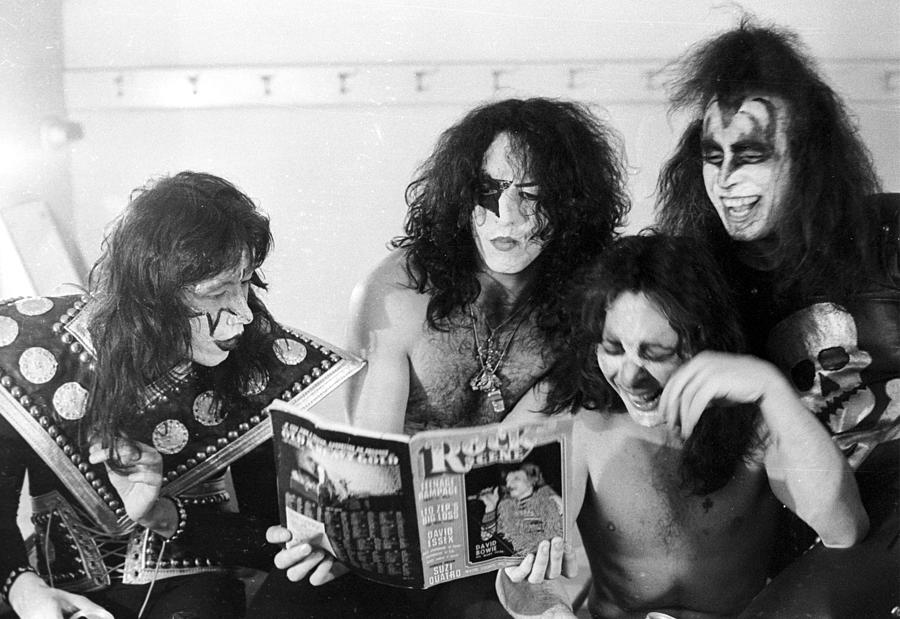
In the mid-1970s, the world was obsessed with the theatrical madness of KISS. To the legions of fans watching from the nosebleed seats of sold-out arenas, they were untouchable comic book deities, larger than life and draped in greasepaint, leather, and blood-red stage lights. But beneath the iconic makeup that defined the era, a much grittier, more toxic reality was brewing inside the studio walls. The story of their 1976 magnum opus, Destroyer, is not just a tale of rock and roll glory; it is a haunting chronicle of brutal perfectionism, psychological warfare, and the slow, agonizing fracturing of a brotherhood that would never fully recover.
When the band entered the studio, they were paired with producer Bob Ezrin, a man known for his visionary brilliance but also for a dictatorial style that demanded absolute submission. Ezrin saw KISS not as a collection of four equal parts, but as a project to be molded and controlled. He was the architect who wanted to polish their raw, street-level energy into a cinematic, symphonic masterpiece. However, his methods were nothing short of sadistic. For lead guitarist Ace Frehley and drummer Peter Criss, the recording process became a grueling trial by fire. Ezrin did not just demand takes; he broke them down, forcing them to repeat passages until their fingers bled and their spirits withered under the pressure of his unwavering, cold-blooded scrutiny.
This atmosphere of professional terror proved to be the beginning of the end for the original lineup. As Ezrin pushed, the tension within the band turned from creative friction into genuine hostility. Ace Frehley, often characterized as the loose cannon of the group, and Peter Criss, the soul of the rhythm section, felt alienated and scrutinized in ways they had never experienced before. The camaraderie that had fueled their climb from the sweat-drenched clubs of New York to the global spotlight began to evaporate. The studio turned into a pressure cooker, and while the result was arguably the greatest record in the KISS discography, the human cost was staggering.
Looking back, the Destroyer sessions remain a fascinating, albeit tragic, turning point in rock history. It highlights the eternal conflict between artistic perfection and the fragility of the human ego. The legacy of KISS is built on that high-octane spectacle, but the shadows cast by that era remind us that the price of immortality is often paid in blood and damaged relationships. When we listen to those tracks today, we aren’t just hearing a band at their peak; we are hearing the sound of a group coming apart at the seams, a chilling reminder that even the most legendary gods of rock are still profoundly, dangerously human.
As the final notes of that iconic album ring out, we are left to wonder what could have been if the brotherhood had remained intact. The chaos of the seventies may be long gone, but the echoes of those sessions still resonate through the vinyl records and classic radio waves. It is a cautionary tale of how brilliance and toxicity often walk hand in hand. If you ever find yourself spinning those tracks, remember the real price of the mask.