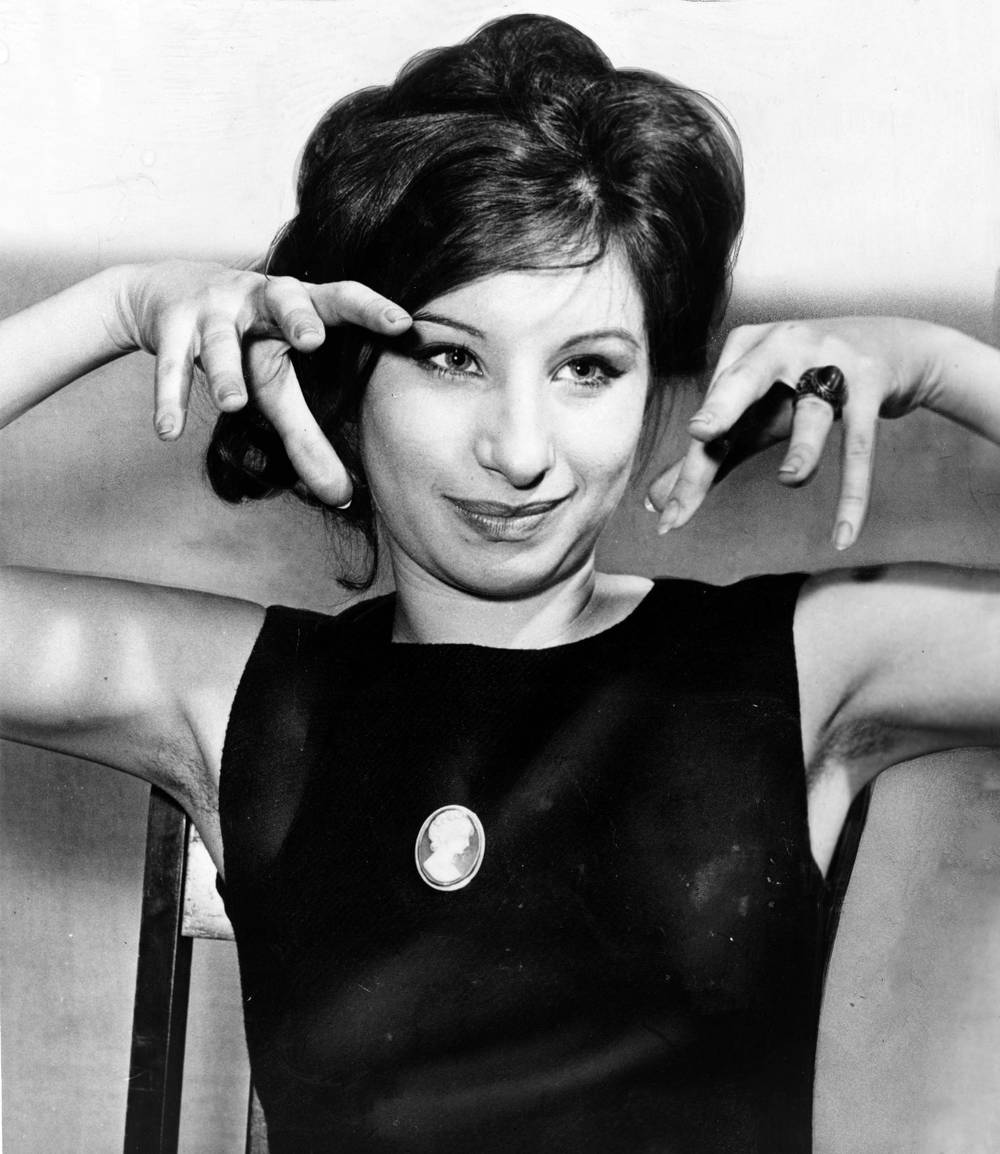
In the summer of 1967, the air in Central Park was thick with the scent of rebellion and the hazy promise of the Summer of Love. For Barbra Streisand, it was meant to be a crowning achievement. Thousands of fans had gathered under the starlit canopy, their eyes fixed on the woman whose voice defined the American soundscape of the decade. She was at the peak of her powers, a singular force of nature whose range could bend the very spirit of a melody. Yet, in the middle of this electric performance, something shifted. A single, misplaced word in a lyric she had sung a thousand times slipped through the cracks of her memory, and in that fleeting second of silence, a legend was paralyzed by fear.
That night in Central Park became the catalyst for a haunting, nearly three-decade hiatus from live performance. While the rest of the world embraced the psychedelic revolution, the rise of FM radio, and the neon-soaked hedonism of the burgeoning disco era, Barbra Streisand retreated into the shadows of the studio. The public saw only the polished perfection of her records and her blossoming film career, never suspecting that the woman who could command an audience of millions was locked in a private battle with stage fright. It is a chilling reminder that even the most celebrated icons are human, haunted by the vulnerability that comes with standing in the spotlight.
For twenty-seven years, the silence remained unbroken. The industry moved from the analog warmth of the Jukebox to the sharp digital synthesizers of the eighties, yet the memory of that forgotten lyric lingered like a ghost in the machine. During those long years, Barbra Streisand redefined her artistry behind the scenes, channeling her internal turmoil into acting and directing. She became a symbol of resilience, proving that one can redefine success even when the fear of the stage feels like an insurmountable wall. The sheer scale of her absence only served to heighten the mystery, turning every rare interview and every new album into a cultural event.
When she finally returned to the stage, the world had changed beyond recognition. The era of the cassette Walkman had given way to the digital age, and the cultural landscape was vastly different from the folk-rock sensibilities of the sixties. Yet, the voice of Barbra Streisand remained a tether to a more glamorous, dramatic time. Her return was not just a concert; it was an act of profound personal victory, a reclaiming of the space she had once abandoned. It highlighted the immense pressure that stars of her magnitude lived under, constantly balancing the need for public adulation against the crushing weight of perfectionism.
Today, the story of that 1967 concert serves as a poignant chapter in the history of American music. It reminds us that our greatest idols are often defined not just by their talent, but by their battles. Barbra Streisand taught us that even when the world demands you to be flawless, the most human thing you can do is face your ghosts and eventually sing again. As we look back on the golden age of American entertainment, her silence speaks as loudly as her music, echoing through the decades as a testament to the fragile nature of fame.