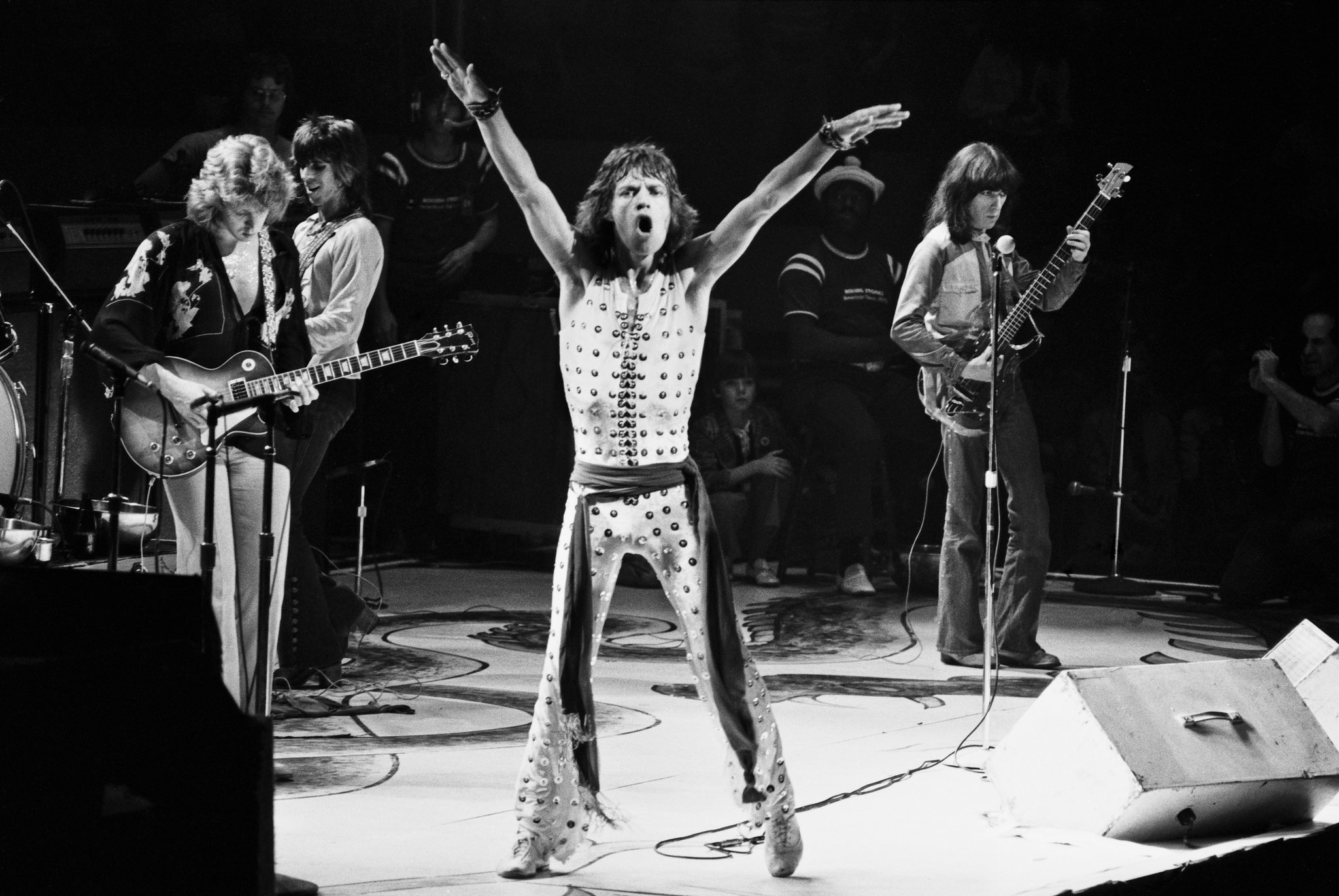
In the crisp fall of November 1964, Britain found itself confronted by an unexpected force in the music scene. It was the sound of The Rolling Stones, a band already renowned for their rebellious charm, but this time they had taken a step that would forever imprint a moment in rock history. Their cover of Willie Dixon’s “Little Red Rooster” rocketed to number one on the UK charts, making it the only pure blues song to ever achieve such a monumental feat. It was a bold move that shocked a nation, waking them from the dreamy lull of sanitized pop and plunging them into the raw depths of the blues.
The Rolling Stones, often viewed as the bad boys of rock, were not just a band; they were a reflection of a generation caught between tradition and change. Emerging in the early 1960s, influenced by American blues legends, Mick Jagger and Keith Richards molded their sound with gritty lyrics and an unmistakable edge. But when “Little Red Rooster” hit the airwaves, it was a dramatic divergence from the bubblegum pop that had saturated the charts. This single compelled listeners to dive headfirst into a world drenched in heartache, longing, and authenticity—a world that was as uncomfortable as it was intoxicating.
As music was leaping toward psychedelic experimentation and avant-garde expression, The Rolling Stones chose to turn back the clock. By reviving blues standards, they sparked a movement that reached far beyond their band. This was more than a cover; it was a cultural statement that propelled Britain into the arms of the blues, making possible the narratives that followed in the eras of rock and grunge. Fans craved the visceral emotions that came with the sound, creating a burgeoning interest in blues music that left a lasting impact on the music landscape.
But the path of The Rolling Stones was anything but smooth. Beneath the glamorous exterior of rock and roll fame lay personal conflicts and tragedies. The inherent drama of their success mirrored the tumult of the era, grappling with substance abuse, relationships on the brink of collapse, and the pressures of fame that would ultimately haunt many artists. The very success of songs like “Little Red Rooster” was a double-edged sword, illuminating both the heights and depths of this new musical journey.
Even today, the echoes of “Little Red Rooster” resonate with a new generation of music lovers. The Rolling Stones not only paved the way for future artists but also nurtured a lasting appreciation for the blues genre—elevating it from its rustic roots to the grand stages of the world. The song remains a testament to the power of authenticity in music as it strikes chords with anyone willing to embrace its haunting simplicity.
In a world where pop often reigns supreme, the legacy of The Rolling Stones and their raw, bluesy reflection through songs like “Little Red Rooster” serves as a reminder: Music is not just an escape but a portal into the soul’s deepest struggles and triumphs. Even now, as we reminisce about the vibrant times of the late ‘60s, one cannot help but feel the resonance of that pure blues sound still coursing through the veins of rock ‘n’ roll. As the years pass, the story of The Rolling Stones continues to remind us of the profound connection between artist and audience—one that only the blues can truly encapsulate.