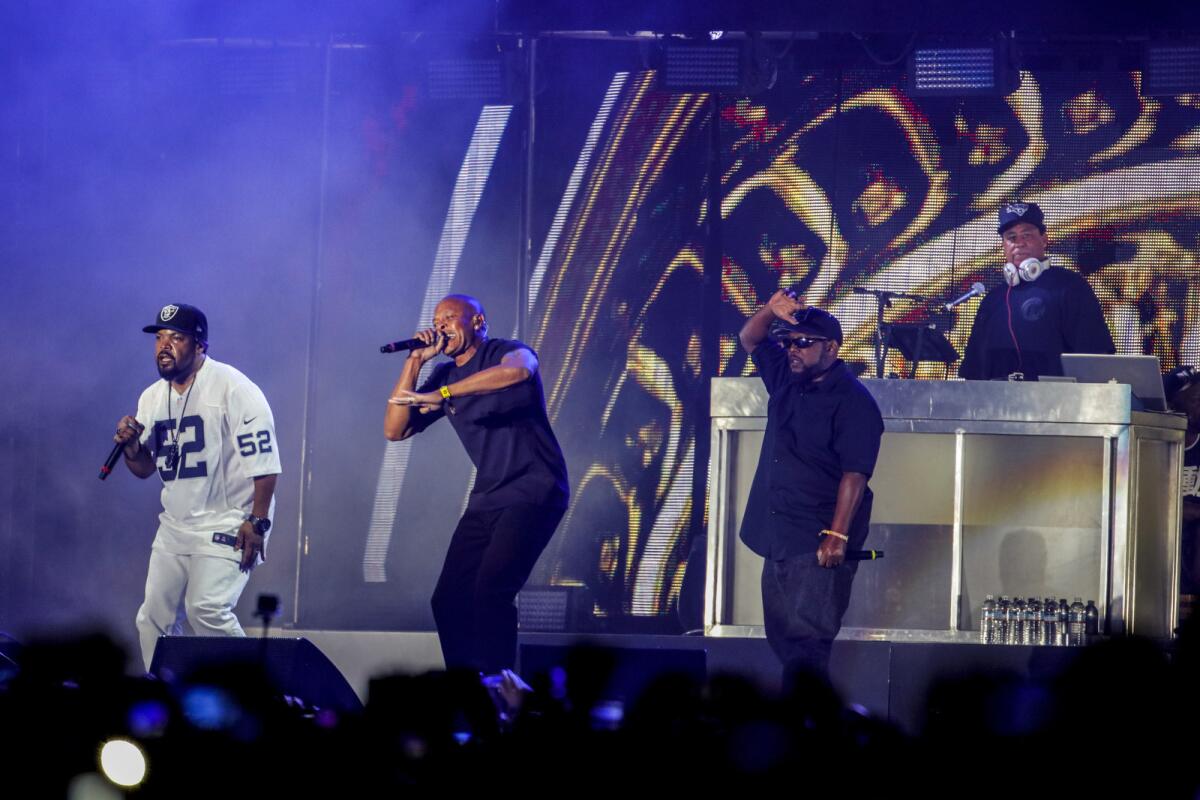
August 1989. The humid air of Los Angeles hung heavy with tension, but inside the recording studios, a sonic revolution was brewing. While the rest of the world was dancing to the polished synthesizers of the late eighties, a group of young men from Compton was crafting a raw, unfiltered narrative that would send shockwaves through the American government. N.W.A did not just release an album; they ignited a cultural firestorm. When their anthem against police brutality hit the airwaves, it was more than just a track—it was a direct challenge to the establishment, one that caught the attention of the highest law enforcement agency in the country.
The FBI, usually preoccupied with organized crime and international espionage, turned its gaze toward a group of lyricists. They dispatched a chilling, formal letter to N.W.A, effectively declaring war on the music they were creating. It was an unprecedented act of censorship that sought to silence the voice of the streets, labeling their raw reality as a threat to national order. To those living the experience, the music of N.W.A was a mirror held up to society, reflecting the anger, the struggle, and the desperation that defined life in the inner cities during the golden age of hip-hop. The government saw a public enemy; the youth saw a necessary witness.
This confrontation represents one of the most polarizing moments in music history, standing alongside the shock of Woodstock or the decadence of Studio 54. N.W.A became the unlikely martyrs of free speech, pushed into the limelight not just by their talent, but by the sheer audacity of their message. The tension between the FBI and the group was a precursor to the systemic debates about race, media, and authority that would dominate the following decades. Even as the Walkman became the portable jukebox of the era, the words of N.W.A resonated through headphones, acting as an unauthorized news broadcast from the front lines of urban America.
The genius of N.W.A lay in their refusal to sanitize their story. In an era when pop music was dominated by gloss and glamour, their abrasive production and uncompromising rhymes felt dangerous. This conflict with the authorities only cemented their legacy, turning them into folklore heroes for a generation disillusioned with the status quo. Behind the scenes, the pressure was immense—members faced constant harassment, legal threats, and the suffocating weight of sudden, explosive fame. Yet, they didn’t fold. They leaned into the controversy, turning the government’s attempt to silence them into a megaphone for their cause.
Looking back, the standoff between N.W.A and the federal government feels like a turning point where the music industry met the heavy hand of reality. It serves as a reminder that music is never just entertainment; it is a catalyst for cultural shift. Today, as we revisit their discography, we are reminded of a time when rap was a volatile, untamed force. Whether you were there listening on a cassette deck or discovered their impact much later, the saga of N.W.A remains a vital chapter in the American story, proving that while voices can be suppressed, the truth has a way of echoing forever.