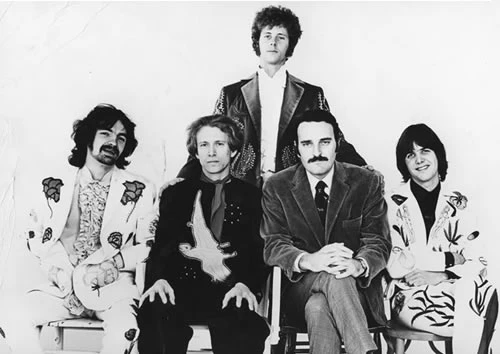
In the late 1960s, the heart of country music was a gilded cage, guarded by the rigid traditions of Nashville. It was a world of crisp suits, polished melodies, and a deep-seated fear of anything that smelled like rebellion. Into this suffocating atmosphere stepped The Flying Burrito Brothers, a band of misfits led by the enigmatic Gram Parsons and Chris Hillman. They didn’t just want to play music; they wanted to detonate the industry from the inside out by injecting raw, psychedelic rock into the veins of traditional country, sparking a war that would redefine American sound forever.
To the suits on Music Row, The Flying Burrito Brothers were a nightmare. They traded the conservative uniform of country stars for flashy, rhinestone-encrusted Nudie suits that featured marijuana leaves and naked women, a visual middle finger to the establishment. But the real danger was in their sonic experimentation. By blending the weeping pedal steel of Bakersfield country with the gritty, drug-fueled malaise of the Los Angeles hippie scene, they created what they called Cosmic American Music. It was a genre-defying cocktail that alienated the die-hard country purists while drawing in the disillusioned youth who were coming down from the high of Woodstock.
Their debut album, The Gilded Palace of Sin, stands as a haunting monument to this era. Listening to it today, you can hear the ghosts of a fractured soul. The tracks were laden with existential dread and heartache, captured through a hazy, drug-addled lens that felt both dangerous and deeply authentic. This wasn’t the sanitized country music piped through the Jukeboxes of rural diners; it was music for the late-night loner, the nomad looking for redemption at the bottom of a glass. They turned the heartbreak of country music into a psychedelic landscape where the pain felt universal rather than local.
Behind the scenes, the story was just as chaotic as the music. The Flying Burrito Brothers were plagued by the same darker impulses that defined the rock and roll lifestyle of the late 60s and early 70s. The pressure to innovate while battling substance abuse and internal ego clashes made the band a ticking time bomb. Gram Parsons, in particular, lived his life like a tragic lyric, drifting through the glitz and grime of Los Angeles with a reckless intensity that eventually led to his untimely end. Yet, these conflicts only added to their mythic status, turning their brief existence into a cautionary tale of art versus commerce.
Decades later, the legacy of The Flying Burrito Brothers remains a cornerstone of the alternative country and Americana movements. They proved that tradition is only meaningful if it has the courage to evolve. Every time you hear a modern indie band blend a banjo with a distorted electric guitar, you are hearing the echoes of those rhinestone-clad outlaws. They taught us that if you are going to break the rules, you might as well do it with style and a little bit of cosmic mystery. Their rebellion may have been short-lived, but the landscape they scorched continues to bloom today.