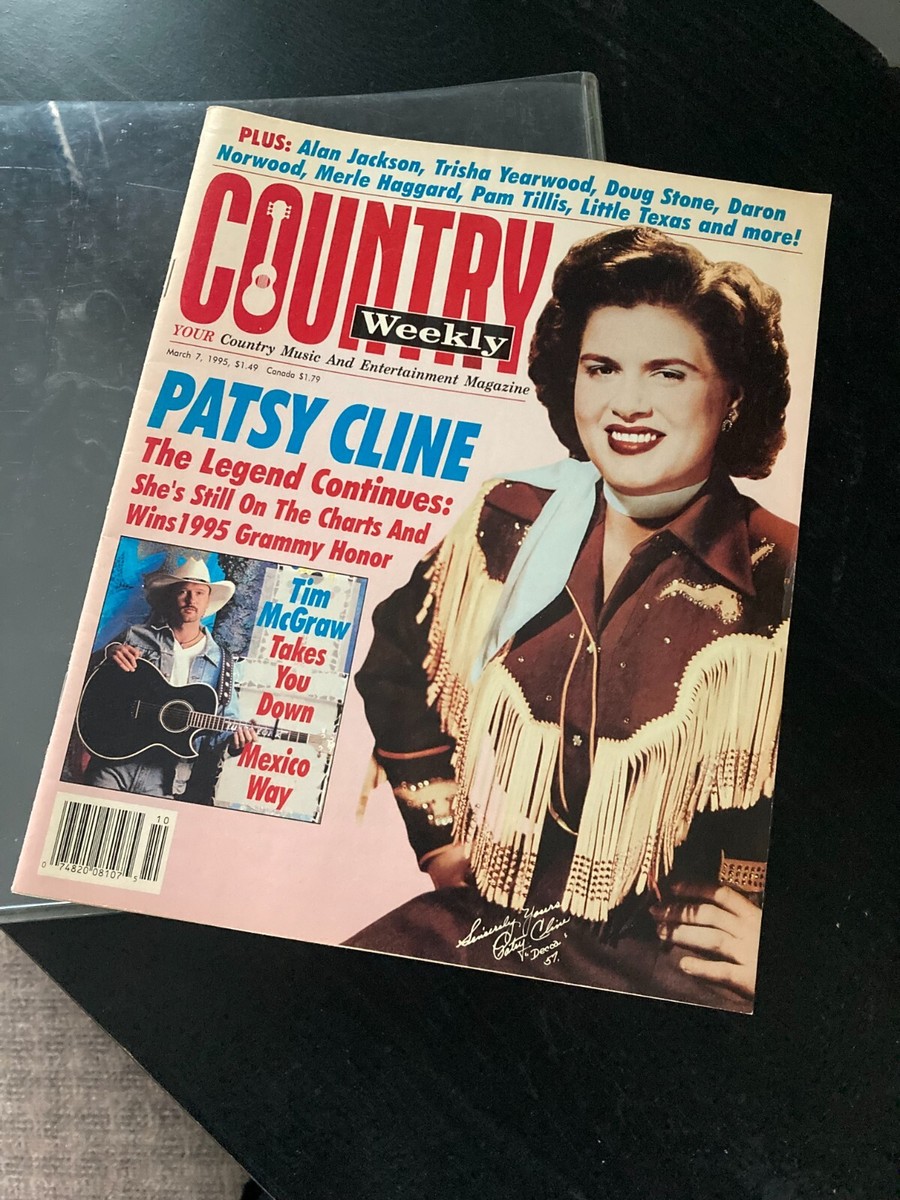
In the golden era of the early 1960s, long before the neon lights of modern arena tours, a voice cut through the static of every AM radio across America. It was a voice that didn’t just sing; it bled, it mourned, and it resonated with the raw, unspoken ache of a million broken hearts. Patsy Cline was not merely a country singer; she was the architect of the Nashville sound, transforming the genre from rural folklore into a polished, crossover phenomenon that felt universally human. Yet, beneath the glamour of her sold-out shows and the steady rotation of her records on every local jukebox, there was a quiet turbulence that defined her meteoric rise and premature fall.
Patsy Cline arrived at a time when country music was strictly defined by its twang and tradition. With songs like I Fall to Pieces and Crazy, she did the unthinkable: she stripped away the artifice. Her delivery was intimate, almost conversational, as if she were whispering secrets directly into the ear of the listener. While the rest of the world was catching the fever of the burgeoning pop explosion or watching the early ripples of the British Invasion on flickering television sets, Patsy was grounding the nation in something profoundly emotional. She carried herself with a weary elegance, navigating a male-dominated industry that was often dismissive of a woman who dared to have a mind of her own.
But the shadow of fame is long, and for Patsy, the path to the top was littered with obstacles. She survived a horrific car accident in 1961 that left her with a scarred forehead and a deep, newfound appreciation for the fragility of life. It was a turning point that seemed to deepen the soulful grit in her voice. She began to view her career through a lens of urgency, knowing all too well that the stage is a demanding mistress. Her life became a whirlwind of recording sessions, radio interviews, and the constant hum of the open road, a lifestyle that was as exhausting as it was exhilarating for a woman who just wanted her music to be heard.
On a cold, fateful day in March 1963, the music stopped in the most chilling way possible. While flying back from a benefit concert in Kansas City, the private plane carrying Patsy Cline disappeared into the dense forests of Tennessee. When the wreckage was eventually found, the world of country music lost its brightest light. The silence that followed was deafening. It was a tragedy that shook the foundations of Nashville, stripping the industry of its greatest vocalist just as she had begun to cement her legacy on the global stage.
Decades later, we still reach for our old record players when we hear those first haunting notes of her biggest hits. The crackle of vinyl brings Patsy Cline back to life, reminding us that true artistry is immune to the passage of time. She remains a haunting reminder of the high price of fame and the beauty of a voice that never truly left us. As long as someone is still finding comfort in the soft, melancholic melody of a long-lost love, the legend of Patsy Cline will continue to echo through the halls of musical history, untouched by the shadows of that tragic final flight.