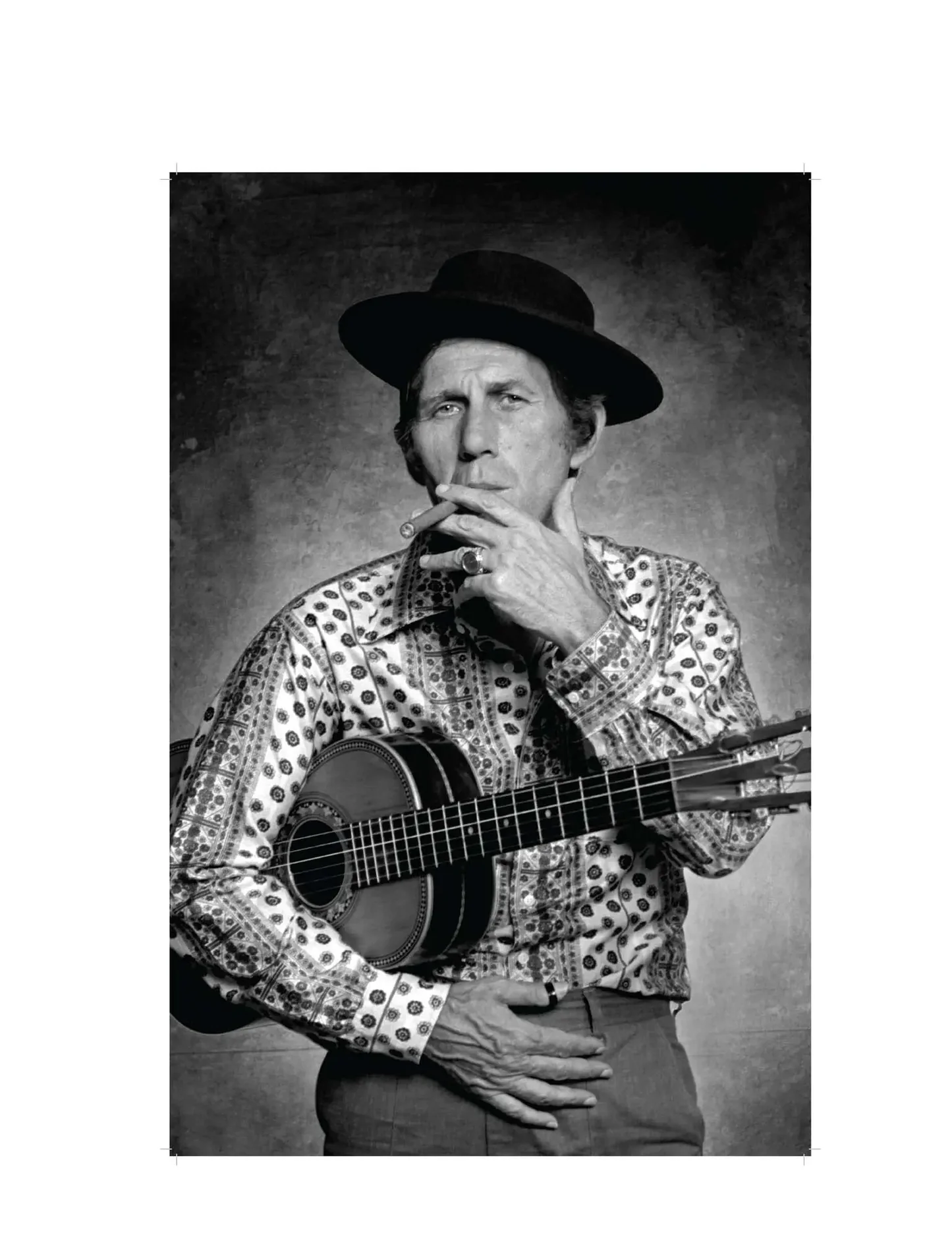
In the dusty, dim-lit recording booths of the late 1950s, country music was fighting for its soul. It was a raw, often chaotic sound—fiddles screeching over honky-tonk clatter, lacking the polish to survive the rising tide of rock and roll. Nashville was on the brink of fading into obscurity, a regional relic destined to be pushed aside by the neon lights of television and the growing influence of the pop charts. Then, Chet Atkins walked into the studio. He didn’t just produce records; he acted as a sonic architect, meticulously stripping away the rough edges of the genre to build something sleek, sophisticated, and undeniably timeless.
Chet Atkins saw what no one else dared to imagine. He understood that to keep country music alive, it had to evolve. Behind those locked studio doors at RCA Victor, he orchestrated a revolution. He replaced the shrill, piercing fiddles with smooth string sections, introduced velvet-toned background vocals, and demanded a level of guitar precision that had never been heard in the industry before. This was the birth of the Nashville Sound. It was the sophisticated masterpiece that transformed hillbilly music into a polished art form, capturing the hearts of a mainstream audience that previously wouldn’t have been caught dead listening to a country track.
To hear a Chet Atkins production is to hear the heartbeat of a transitional era. His genius wasn’t just in the technical mastery of the guitar, but in his uncanny ability to bridge the gap between tradition and innovation. He was a quiet, unassuming man, yet his influence was seismic. Under his guidance, the studio became a laboratory where raw noise was refined into pure gold. This shift didn’t just sell millions of records; it defined the cultural landscape of the sixties, allowing the genre to stand tall alongside the jazz and pop standards of the day.
Yet, the brilliance of Chet Atkins was often marked by a hidden, perfectionist intensity. His reputation as a gentle master of the fretboard hid a steely resolve that occasionally created friction with traditionalists who felt he was diluting the essence of their heritage. Despite the pushback, the results were impossible to deny. The records he produced under that iconic Nashville umbrella became the soundtrack for a generation, playing on radios from rural porches to sophisticated city apartments. He turned the studio into a sanctuary, creating a legacy that survived long after the original vinyl stopped spinning on the turntable.
Decades later, the echo of that era still resonates in the chords of modern country and beyond. We look back at the work of Chet Atkins not just as a piece of music history, but as a testament to the power of artistic vision. He taught us that change isn’t always a betrayal; sometimes, it is the only way to preserve the spirit of what matters most. As you listen to those smooth, lush arrangements today, try to catch the faint glimmer of the genius who risked everything to redefine the sound of a nation. It is a timeless invitation to go back to when music was treated with such fragile, deliberate care.