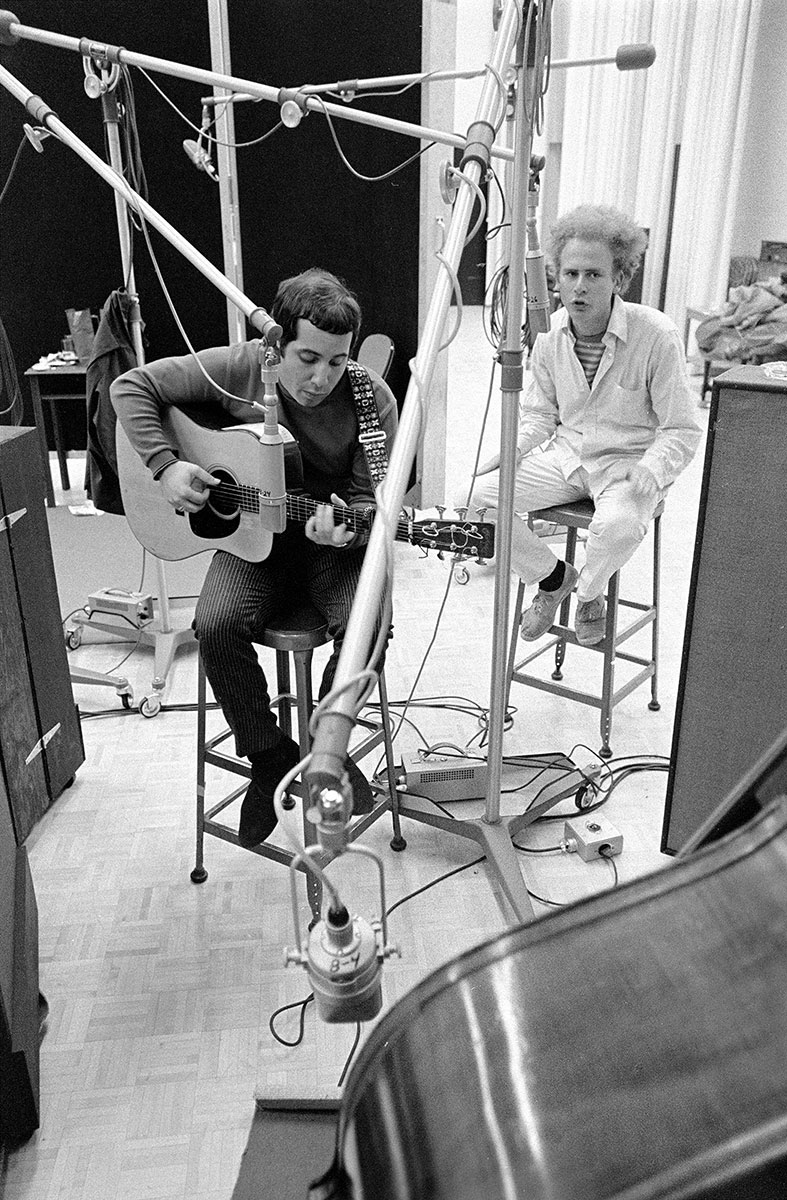
It began as a fragile whisper in a dim recording studio in 1964, a simple folk track that almost vanished into obscurity before it ever found an audience. When Simon and Garfunkel first laid down the tracks for The Sound of Silence, they had no way of knowing they were crafting the ultimate haunting anthem of a generation. At the time, the duo was struggling to find their footing in a rapidly changing music landscape, buried under the weight of a commercial failure. Little did they know, their delicate harmonies would soon become the definitive soundtrack for a world on the brink of profound cultural upheaval.
The genius of the track lay in its haunting ambiguity. Paul Simon, the architect of the lyrics, captured the alienation of a youth caught in the crosshairs of societal noise and internal loneliness. For listeners tuning in through their transistor radios or hearing it drift from a local jukebox, the song felt like a mirror. While the world of the mid-sixties was loud with the tremors of change, Simon and Garfunkel offered a moment of crystalline clarity. It was a stark departure from the upbeat rhythms of the early rock era, signaling a shift toward introspective, intellectual songwriting that would define the decade.
Yet, the story behind the success of Simon and Garfunkel was never as seamless as their blended voices suggested. Behind the scenes, the relationship between Paul Simon and Art Garfunkel was a volatile cocktail of artistic brilliance and intense personal friction. As they rode the wave of the folk-rock movement, the cracks in their foundation began to show. Their creative synergy was built upon a fragile tension; Simon provided the sharp, biting lyrical vision, while Garfunkel offered the ethereal, soaring vocal perfection. This dichotomy fueled their greatest hits, but it also sowed the seeds of their eventual, messy fracture at the height of their stardom.
Their journey from struggling folk singers to global icons was marked by the dark side of sudden fame. The pressure to replicate their past glory turned the studio into a battleground rather than a sanctuary. They lived through a time where the industry was shifting toward the excess of the late sixties, yet they remained anchored in their own private, high-stakes drama. The irony was palpable: the men who preached the beauty of silence were constantly battling through the deafening noise of their own personal conflicts and the suffocating expectations of a public that demanded more than they were willing to give.
Today, the legacy of Simon and Garfunkel remains as potent as it was during the peak of their influence. Whether you are revisiting their discography on a dusty turntable or discovering them through the lens of history, their music captures the quintessence of the American experience—a blend of yearning, sorrow, and fleeting beauty. As we look back at the era of the walkman and the long-gone radio waves, it is clear that their partnership was a lightning strike. Even if they could never truly find the harmony they sought in their personal lives, they gave us the perfect melody to guide us through our own. Listen closely, and you might still hear the truth they were trying to tell all those years ago.