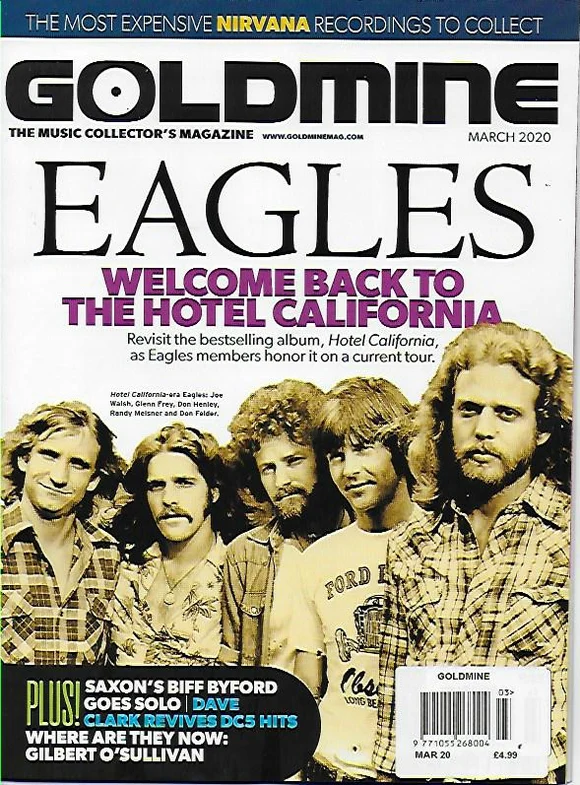
It was July 31, 1980, a sweltering Long Beach evening that was supposed to be remembered for charity and the smooth, soaring harmonies that defined the American dream. Instead, it went down in history as the night the Eagles died on stage. Beneath the polished facade of one of the greatest rock bands in history, a toxic concoction of ego, resentment, and excessive lifestyle had been brewing for years. Glenn Frey and Don Felder, two titans of the California sound, had reached their breaking point, turning a benefit concert into a surreal, high-stakes battlefield where the instruments weren’t the only weapons being wielded.
As they stood before thousands of fans who had come to hear the band that defined the late seventies, the music continued, but the atmosphere was thick with venom. Between every chord and chorus, fans witnessed a bizarre spectacle of musicianship masking a personal apocalypse. Glenn Frey and Don Felder were whispering graphic death threats into their microphones for the other to hear. It was a dark, jarring contrast to the mellow, sun-drenched melodies that had played from every Jukebox and Walkman across the nation. For those watching, it was the sound of a brotherhood unraveling in real-time, a shattered mirror of a golden era coming to a sudden, jagged end.
The friction between Glenn Frey and Don Felder was not an overnight occurrence; it was a slow burn fueled by the pressure of fame and the chaotic excess of the era. The Eagles were the soundtrack to the seventies, but the weight of success had fractured the foundation. While the world saw the pristine, layered perfection of their studio albums, the reality inside the band was a constant power struggle. The concert in Long Beach was merely the final spark that ignited the powder keg. For fourteen long years following that night, the silence from the band was deafening, leaving a void in the landscape of rock music that no other group could quite fill.
Looking back, this moment remains one of the most infamous examples of the dark side of rock stardom. It serves as a stark reminder that even the most gifted artists are not immune to the corrosive effects of pride and isolation. The incident highlights the precarious balance between artistic genius and personal conflict. When we listen to those classic records today, it is impossible not to hear the ghosts of those lingering tensions, adding an unintended layer of grit to the pristine, polished sound that once dominated the airwaves of the eighties.
Decades later, the story of the feud between Glenn Frey and Don Felder continues to captivate because it reveals the messy, human truth behind the music we worship. It reminds us that behind every timeless anthem, there were real lives being lived at the edge of sanity. We still return to their music, not just for the melody, but for the haunting reality of the story it tells. As the echoes of that long-ago stage conflict fade, the legacy remains: a cautionary tale set to the most beautiful music of an generation.