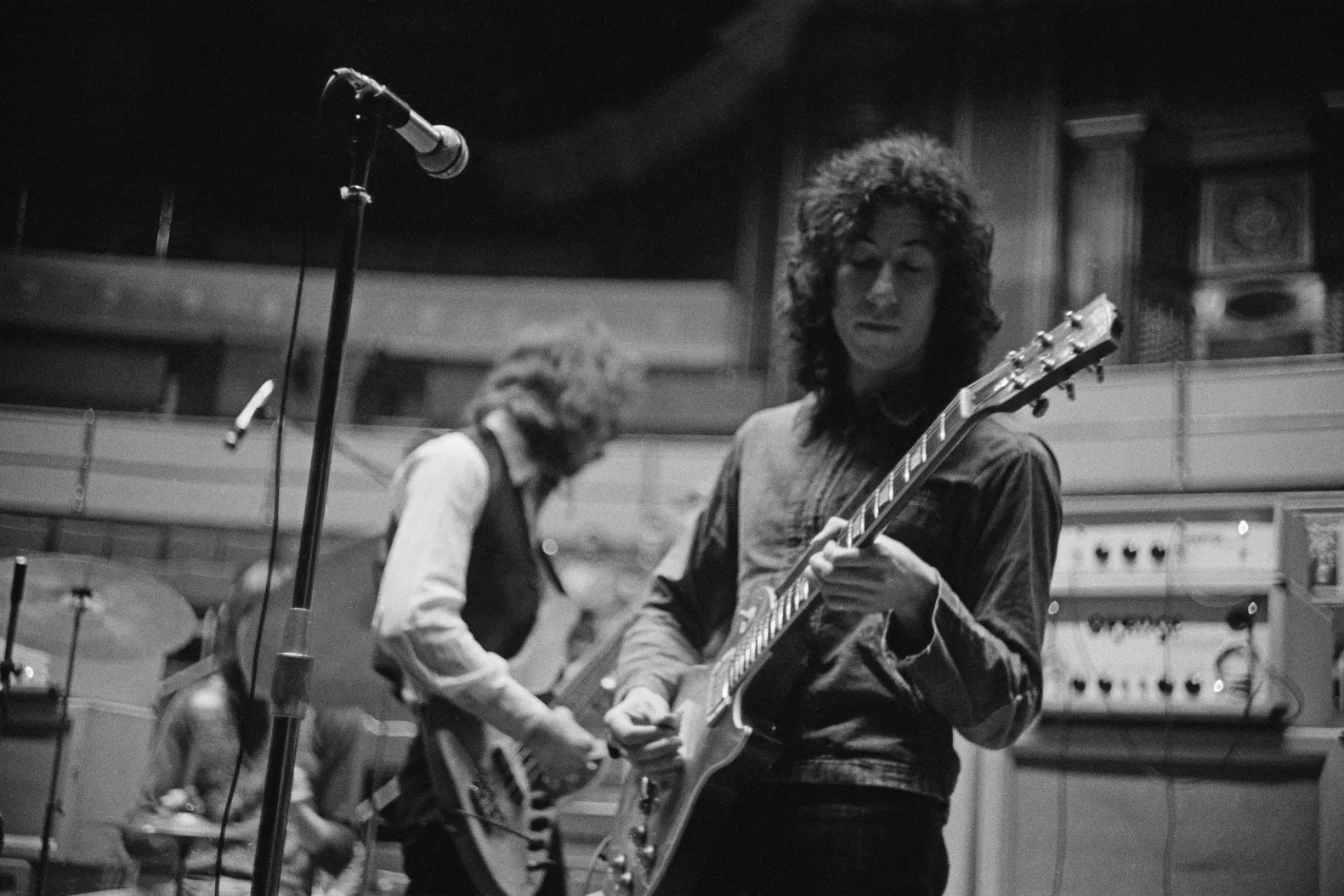
In 1969, the airwaves were dominated by the raw, haunting slide guitar of a man who seemed to channel the blues from another dimension. Peter Green, the visionary founder of Fleetwood Mac, stood at the pinnacle of his creative powers. As the band unleashed a blues masterpiece that redefined rock and roll, the world saw a musical genius in his prime. Yet, behind the brilliance of tracks like Albatross and The Green Manalishi, a silent, terrifying descent into mental instability was already shattering the foundation of the man who led one of the most iconic bands in history. While the era was defined by the transition from the psychedelic haze of the late sixties into the polished production of the seventies, Peter Green was walking a much darker, lonelier path.
The tragedy of Peter Green is not just a tale of rock and roll excess, but a poignant reminder of the fragility of the human mind under the relentless pressure of fame. During the recording sessions that cemented Fleetwood Mac as legends, Green began to lose his grip on reality. He felt burdened by the money and the commercial success that the band’s music was generating. In an era where the Jukebox was king and music was becoming a corporate machine, Green’s sensitive soul was recoiling. He became obsessed with the idea that he was a vessel for a power far greater than himself, leading to a profound psychological crisis that would eventually see him walk away from the group he founded, leaving his guitars and his fortune behind.
His departure was abrupt and shocking, leaving fans and bandmates bewildered. It is often remembered as one of the most enigmatic exits in the history of rock. As the band later moved toward the global superstardom of the Rumours era, the shadow of Peter Green lingered like a ghost in their recording studios. He had once been the heartbeat of the blues-infused sound that defined their early years. His story serves as a stark contrast to the glitz of the coming decade; while others chased the limelight, Green sought an escape from the blinding glare of the spotlight. His struggle with schizophrenia and the heavy use of substances during that turbulent period eventually led him to a life far removed from the screaming crowds and the industry’s vanity.
Today, we look back at the early catalog of Fleetwood Mac and recognize that the emotional depth of their music was born from Peter Green’s singular, tortured brilliance. He was not just a guitarist; he was a poet of the blues who felt every note in his marrow. Even decades later, his influence remains etched in the DNA of classic rock, reminding us that for every hit record that defines a generation, there is often a hidden human cost. We find ourselves returning to his recordings, not just for the melody, but to connect with the raw humanity of a man who gave so much of his soul to the music before the silence finally took him away. His legacy is etched in the grooves of every record, a haunting echo of a genius who vanished long before his time.