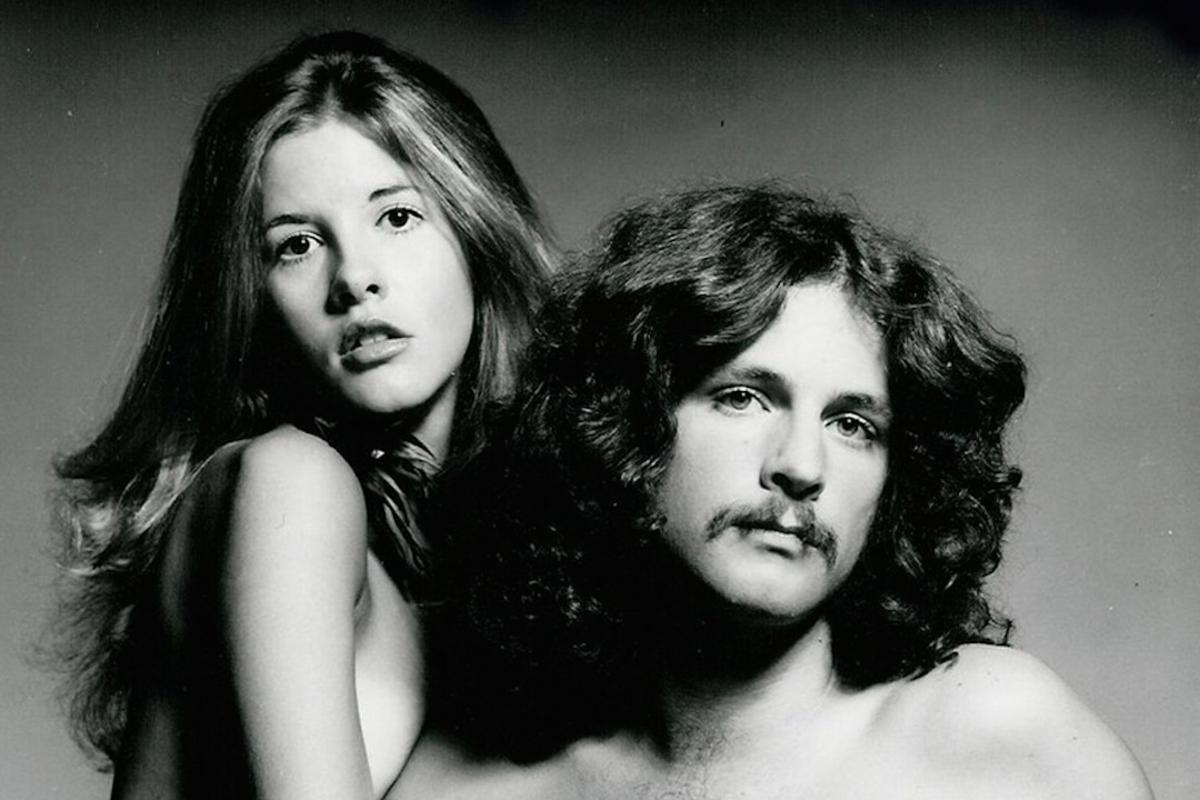
What if the most famous breakup song in rock history was also a nightly betrayal? That’s the image that still stings when you hear Fleetwood Mac’s 1977 behemoth, Rumours — and especially the cut Lindsey Buckingham wrote, “Go Your Own Way.” The song didn’t bury the band’s heartbreak; it put it on the radio, broadcast it into living rooms across America, and forced Stevie Nicks to sing words that cut. Why did she keep singing a line she loathed? The answer is more unsettling than the melody.
In the winter of 1976–77 the members of Fleetwood Mac were supposed to be making an album; instead they were making a confessional. John and Christine McVie were divorcing, Mick Fleetwood was deep in his own marital wreckage, and the most combustible fuse of all was the end of Stevie Nicks and Lindsey Buckingham’s romance. Buckingham’s aggression as a songwriter — spare, sharp, unyielding — turned private rejection into a public verdict. The line that haunted Nicks, “shacking up / is all you want to do,” wasn’t a throwaway; it was a deliberate sting, and she knew it.
There are vivid accounts from the Rumours sessions about the tension in the studio: late-night fights, tequila and pills passed around between takes, the claustrophobic hum of hurt turned into hooks. Lindsey Buckingham recorded “Go Your Own Way” with a percussive stomp and a voice that felt like a challenge; Stevie Nicks, whose voice floated like cigarette smoke and moonlight, had to answer to that carnage on stage night after night. She told interviewers in later years that she hated that specific line. Yet when Fleetwood Mac toured behind Rumours, Stevie sang it anyway — not with the glee Lindsey intended, but with the weary authenticity that turned the band’s backstage mess into the music the world could not stop playing.
Why did the band let that happen? In part because Fleetwood Mac’s genius in 1977 was to leverage its wounds. Producer Ken Caillat and the band harnessed the raw material of betrayal and bitterness and polished it into the most commercially successful album of their careers. The scandal — the love triangles, the infidelity rumors, the whispered accusations in newspapers — became a selling point. But the true cost was private: a woman forced to give voice to a line that humiliated her, a songwriter using intimacy as ammunition, and a public that consumed it all without knowing how often the microphone cut into real pain.
For listeners now — many of whom lived through that era — that story still lands like a memory: the smell of smoke in a dim club, a hotel room left in a rush, the way radio cut through the night. Stevie Nicks’ fragility and fire, Lindsey Buckingham’s brittle confession, and Fleetwood Mac’s willingness to bleed on record made Rumours timeless. The ‘77 record captures an honesty that is ugly and beautiful at once: messy relationships, legal maneuvering, late-night rumors and the heavy-handed presence of drugs and alcohol that blurred the edges of fame.
Decades later, when Stevie Nicks still performs those songs and when collectors pore over bootlegs from 1977, the “Go Your Own Way” moment remains a study in contradiction. It’s a hit that liberated the band financially and artistically, and a wound that never fully healed. Listening now, we aren’t just hearing a classic — we’re listening to the sound of a breakup turned public spectacle. And like any good secret, it keeps sending up echoes: what was said, what was sung, and what was silenced between the lines.