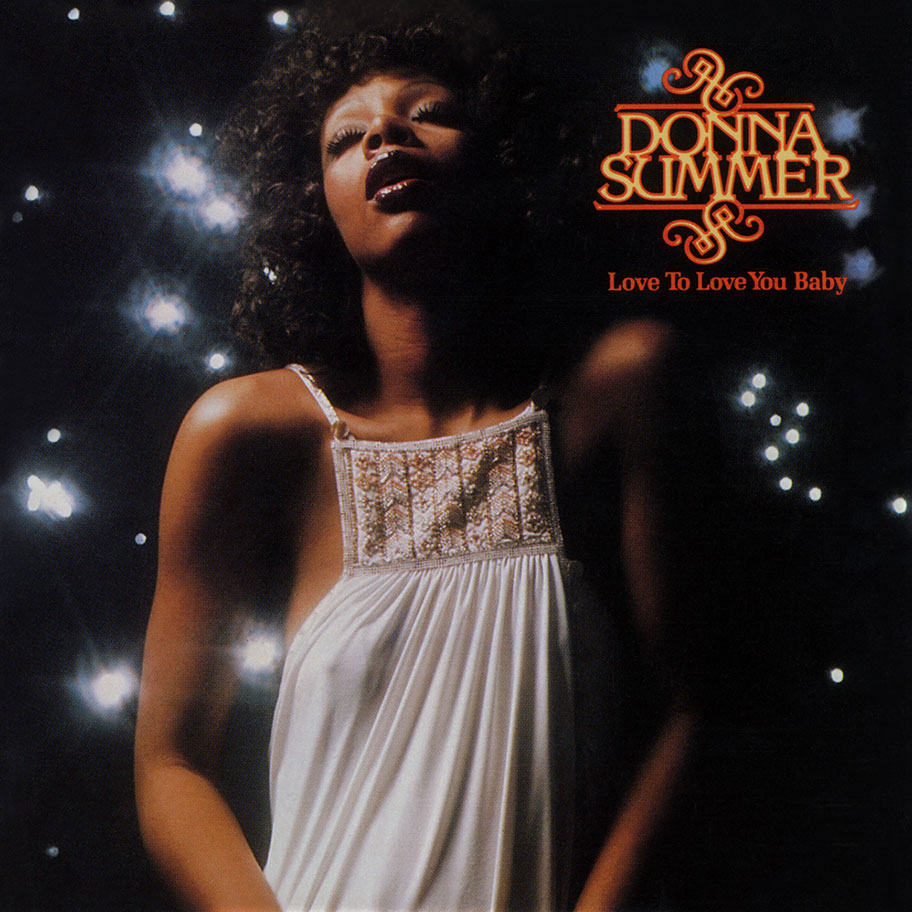
Donna Summer’s moans were too much for radio in 1975 — and the outrage that followed is the secret engine behind a disco revolution. Who decided that a woman’s breath could be dangerous to the airwaves, and why did that outrage turn sixteen breathless minutes into a cultural landmark?
The story begins in Munich, where Donna Summer walked into Giorgio Moroder and Pete Bellotte’s studio with a voice that would bend pop toward the nightclub. What started as a sultry, intimate demo turned into Love to Love You Baby — a single stretched to sixteen minutes of pulsing rhythm, echoed breath, and deliberately explicit suggestion. Giorgio Moroder’s synths and production techniques framed Donna’s voice in a way radio had never heard: exposed, erotic, and unashamed.
It wasn’t accidental. Moroder and Bellotte pushed the limit because they were making music for clubs first and singles second. DJs loved the extended groove; listeners in dark dancefloors felt the narrative build across those long bars. Casablanca Records, seeing both risk and opportunity, released the elongated cut that left mainstream broadcasters flummoxed. Some stations refused to play any version; others chopped it to a squeaky three-minute edit. The press called it obscene. The clubs called it liberation.
That collision created the scandal everyone remembers. Headlines thundered about impropriety, but beneath the outrage was a simpler, sharper truth: sexuality on record had been sanitized for too long. Donna Summer’s performance — breathy, vulnerable, audacious — unsettled critics who preferred tidy pop stories. The controversy didn’t bury the song; it amplified it. Sales and club play surged, and Donna Summer, guided by Giorgio Moroder’s electronic vision, found herself vaulted to queenly status in disco’s court.
There are vivid details people still whisper about: the close-miked takes that made every inhale intimate, the studio’s willingness to let a song breathe beyond single-friendly lengths, and the shrewdness of producers who knew scandal could be a promotional engine. But the lasting legacy isn’t tabloid fodder. Love to Love You Baby helped rewire how pop could be produced — an early blueprint for extended dance mixes and synth-driven textures that would echo into house and electronic pop decades later.
For those of us who lived through the seventies, or who grew up under its radio remnants, the track still registers as a dare. Donna Summer and Giorgio Moroder didn’t only record a song; they staged a provocation about desire, ownership, and the marketplace of taste. When you hear those first moans and the pulse drops in, you’re not just listening to a hit — you’re eavesdropping on a moment when pop music chose to be brazen.
Rediscover Love to Love You Baby and ask yourself: was the scandal moral panic or cultural breakthrough? Either way, Donna Summer’s voice and Giorgio Moroder’s production left a mark that still hums in every long mix and late-night dancefloor. It’s a record that invites debate — and another listen.